When to Trim Trees in South Dakota (Month-by-Month)
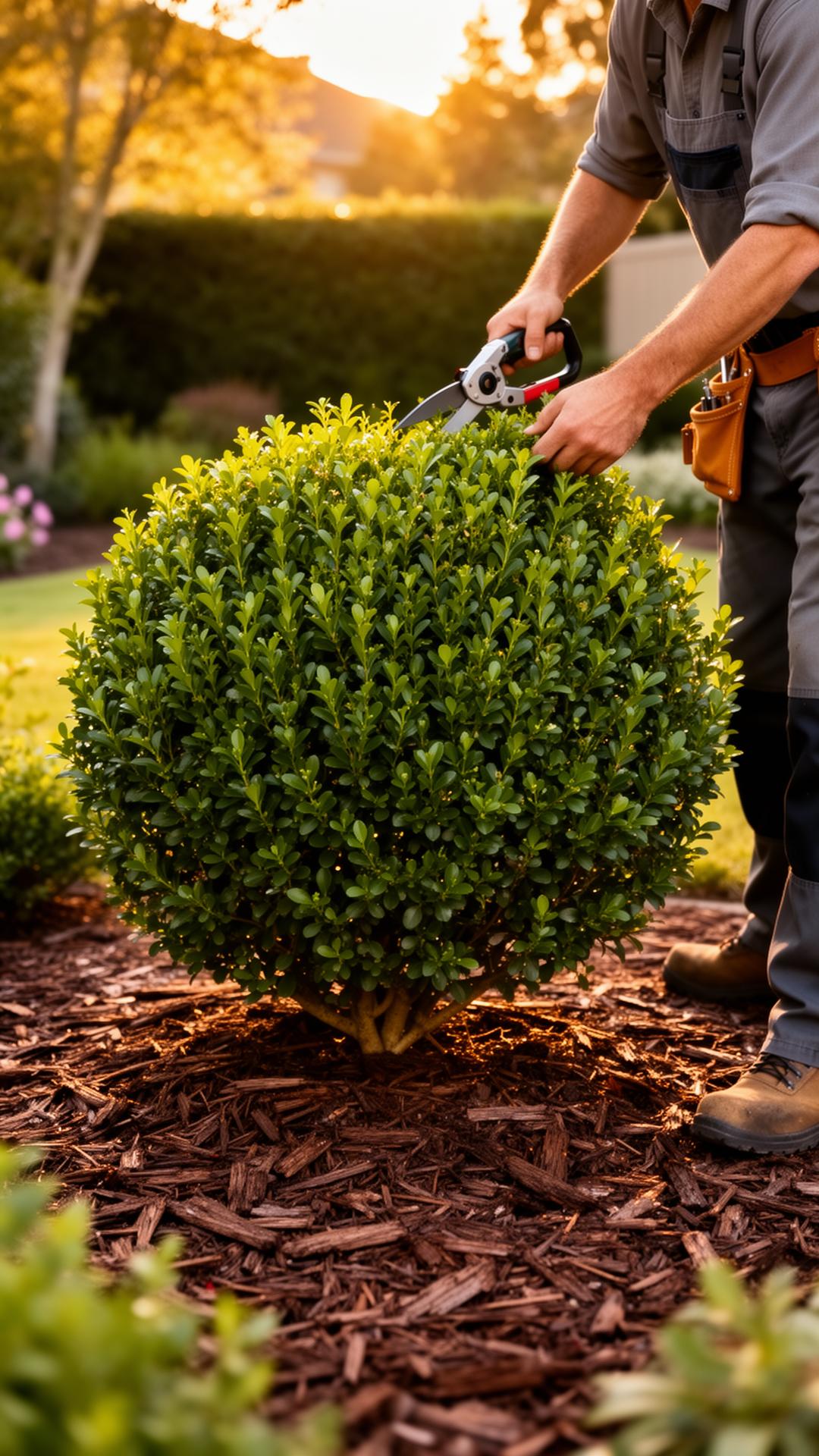
Almost every tree question we get in Sioux Falls comes down to timing. The same cut that strengthens a maple in February can hurt it in July.
Late winter — roughly late January through March — is the best general window. Trees are dormant, the structure is visible with the leaves gone, and wounds seal fast once growth resumes. Frozen ground also means heavy equipment does less damage to the lawn.
Oaks and elms are the strict exception. Oak wilt and Dutch elm disease spread through beetles active in the warm months, so prune those only while dormant — never between April and October unless a limb is broken and dangerous.
Ash trees deserve a separate conversation in South Dakota. With emerald ash borer confirmed in the region, pruning is less important than a plan: have an ash inspected, decide whether to treat or remove, and don't wait until the canopy is half dead. Dead ash gets brittle fast and becomes far more expensive and dangerous to take down.
Spring-flowering shrubs — lilac, forsythia, ninebark — should be pruned right after they finish blooming. Cut them in early spring and you remove the buds that were already set last summer.
Summer is for light work only: water sprouts, crossing branches, and clearance over walks or driveways. Keep it under about 10% of the canopy in one season.
Fall is the worst window. Cuts seal slowly heading into dormancy, and decay fungi are releasing spores. Save all but hazard removal for winter.
One rule holds every month: remove anything dead, damaged, or diseased as soon as you see it. Storm-broken limbs don't wait for a calendar.
If you'd rather not judge it yourself, we walk properties across Sioux Falls, Brandon, and Dell Rapids and give a straight answer about what needs cutting now and what can wait.